
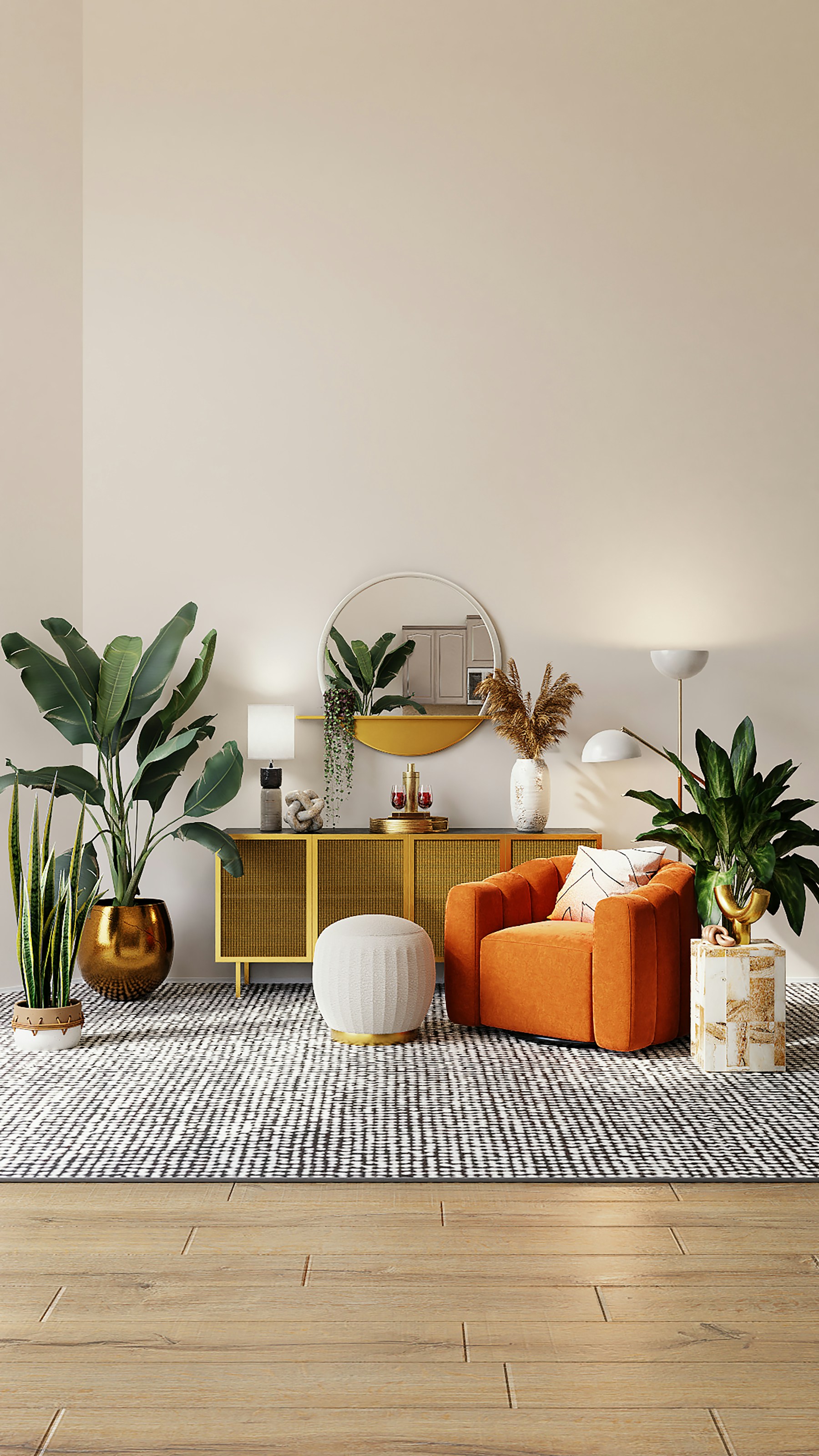
There’s a particular quality that the most considered homes share — one I recognise the moment I walk in, before I can name a single piece of furniture in the room.
It isn’t expense. I’ve been in homes built on enormous budgets that felt sterile, and tiny apartments in Lisbon and Hanoi that felt like the warmest place I’d ever stood. The difference isn’t money. It’s the willingness to slow down and choose.
Soft luxury, the way the studio means it, is three things at once.
Restraint. The discipline to leave space empty when empty serves the room. To pick the one beautiful object instead of the seven adequate ones. Western design has a strange relationship with negative space — most rooms I’m called into are too full, not too empty.
Layering. Texture against texture, story against story. A linen throw that has aged a little. A piece picked up in a market in Marrakech that sits, somehow correctly, beside a chair from a Cape Town maker. Travel teaches you that nothing is precious in isolation; every good interior is a conversation between things.
Considered detail. The hem of a curtain. The way light falls at four in the afternoon. The temperature of the wood floor under bare feet. The luxury isn’t visible at the front door — it’s discovered slowly, in the way the space behaves over time.
The studio’s job, more than anything, is to slow down on your behalf. To make the choices you don’t have time to make, and to make them well.